
JALL Alarm Clock Manual: A Comprehensive Guide
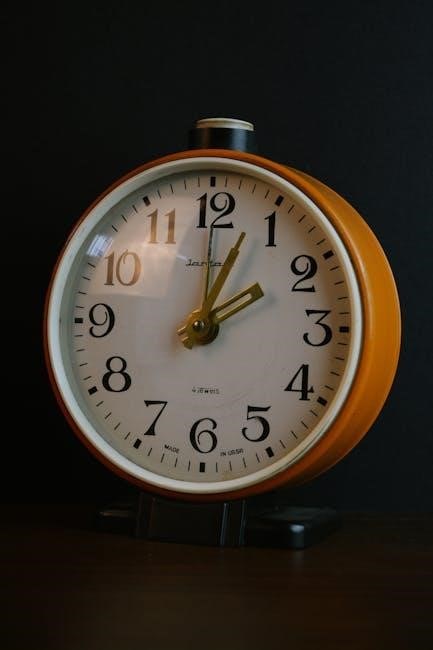
Welcome! This manual provides detailed instructions for your JALL Wake-Up Light Sunrise Alarm Clock. Discover how to optimize its features, from sunrise simulation to FM radio,
and ensure a peaceful, well-rested experience.
Understanding Your JALL Wake-Up Light
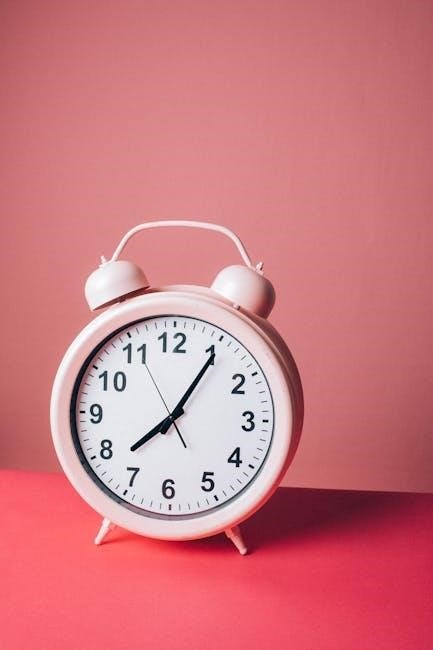
The JALL Wake-Up Light is designed to mimic a natural sunrise, gently preparing your body to wake up. Unlike jarring traditional alarms, this clock utilizes gradually increasing light intensity, signaling your brain to reduce melatonin production – the hormone that makes you feel sleepy. This process aims to leave you feeling more refreshed and alert upon waking.
Beyond the sunrise simulation, your JALL clock offers a range of functionalities. It includes adjustable brightness levels for both the sunrise and the display, catering to individual preferences. The integrated FM radio allows you to wake to your favorite stations, while a selection of natural sounds provides alternative alarm options. Furthermore, the clock features a sunset simulation mode, designed to help you wind down and prepare for sleep.
It’s important to note that while smartphones offer alarm capabilities, using them before bed can disrupt sleep patterns. The JALL clock encourages a dedicated sleep environment, minimizing pre-sleep screen exposure. This device isn’t just an alarm; it’s a tool to promote better sleep awareness and a healthier sleep cycle, especially relevant during events like Daylight Saving Time when our internal clocks are disrupted.
Initial Setup and Powering On
Unboxing and Placement: Carefully remove your JALL Wake-Up Light from its packaging. Select a stable, flat surface near your bed, ensuring sufficient space around the clock for ventilation. Avoid direct sunlight exposure, as this may interfere with the sunrise simulation.
Power Connection: Locate the DC power input on the rear of the clock. Connect the provided power adapter to the clock and then plug it into a standard wall outlet. Do not use a different power adapter, as this could damage the device. Upon connection, the display should illuminate, indicating the clock is receiving power.
Initial Boot-Up: The clock will automatically begin a self-test. The display will cycle through various indicators. If the display remains blank, double-check the power connection and outlet. If issues persist, consult the troubleshooting section of this manual. The Windows Get Help app can also provide general troubleshooting advice for electronic devices;
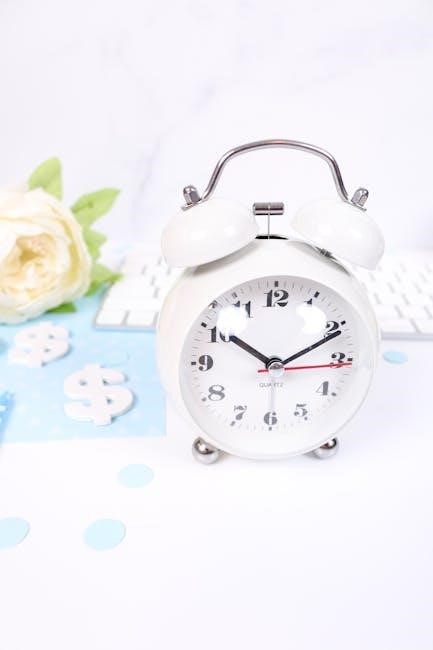
First-Time Use: The clock may initially display incorrect time and date. Proceed to the “Setting the Time and Date” section to configure these settings accurately. Proper setup is crucial for reliable alarm functionality.
Setting the Time and Date
Accessing the Settings Menu: Press and hold the “Set” button on the clock’s control panel for approximately three seconds. The hour display will begin to flash, indicating you’ve entered time setting mode. If you are experiencing issues with time synchronization, remember that Windows Update can sometimes affect system clocks.
Adjusting the Hour: Use the “Up” and “Down” buttons to adjust the hour. Ensure you set the correct AM/PM designation. Press “Set” again to confirm the hour and move to minute setting.
Adjusting the Minutes: Use the “Up” and “Down” buttons to adjust the minutes. Press “Set” again to confirm the minutes and proceed to date setting.
Setting the Date: The year display will now flash. Use the “Up” and “Down” buttons to set the year, confirming with “Set” after each digit (month, day). Once the date is set, press “Set” one final time to exit the settings menu. The clock will now display the correct time and date. For further assistance with time settings, explore Microsoft Support Resources online.
Alarm Configuration: Basic Settings
Entering Alarm Mode: Press the “Alarm” button on the clock. The alarm indicator will illuminate, signifying you are now in alarm configuration mode. The clock allows for multiple alarms; use the “Up” and “Down” buttons to select the desired alarm slot (if applicable).
Setting the Alarm Hour and Minute: Similar to setting the current time, the hour display will flash. Use the “Up” and “Down” buttons to set the desired alarm hour, confirming with the “Set” button. Repeat this process for the minutes. Pay close attention to AM/PM settings to avoid unwanted early morning wake-ups!
Choosing Alarm Days: Many JALL models allow you to select specific days for the alarm to activate. Use the “Up” and “Down” buttons to cycle through the days of the week (Monday-Sunday), toggling each day on or off as needed. Confirm your selections with the “Set” button.
Alarm Volume: Before exiting, briefly test the alarm volume. Adjust using the volume controls. Remember, a gentle sunrise simulation combined with a soothing sound is key to a pleasant wake-up experience. If you encounter issues, consult the Troubleshooting Common Issues section.
Sunrise Simulation: Customizing the Wake-Up Experience
Activating Sunrise Simulation: Ensure the alarm is set and activated. The JALL Wake-Up Light’s core feature is its sunrise simulation. This gradually increasing light mimics a natural sunrise, preparing your body to wake up gently. The simulation duration is typically adjustable.
Adjusting Simulation Duration: Access the sunrise settings (often through a dedicated “Sunrise” or “Light” button). Use the “Up” and “Down” buttons to select the desired duration – commonly ranging from 20 to 60 minutes. A longer duration provides a more gradual awakening.
Brightness Levels: Some models allow you to customize the maximum brightness of the simulated sunrise. Experiment to find a level that’s comfortable and effective for you. A brighter simulation is ideal for darker rooms.
Color Temperature: Advanced JALL clocks may offer color temperature adjustments. Warmer tones (reddish hues) are generally preferred for a more natural sunrise effect. Combine this with your preferred Sound Options for a truly personalized wake-up call. Remember to check Troubleshooting Common Issues if the light isn’t functioning correctly.
Sunset Simulation: Utilizing the Sleep Aid Feature
Activating Sunset Mode: The JALL Wake-Up Light also functions as a sunset simulator, aiding in relaxation and preparing your body for sleep. Access the sunset settings, usually through a dedicated “Sunset” or “Sleep” button on the device or within the menu.
Adjusting Sunset Duration: Similar to sunrise, you can customize the duration of the sunset simulation. Options typically range from 15 to 60 minutes. A longer duration creates a more gradual transition to darkness, promoting melatonin production.
Brightness Dimming Rate: Control the rate at which the light dims. A slower dimming rate is generally more effective for inducing sleepiness. Experiment to find what feels most natural and relaxing for you.

Color Temperature Options: Utilize warmer color temperatures (reddish/orange hues) during sunset simulation. These colors signal to your brain that it’s time to wind down. Consider pairing this with calming sounds. If you experience Display Problems, consult the troubleshooting section. Remember that Sleep Awareness is key to a healthy routine!
Sound Options: Choosing Your Alarm Tones
Accessing Sound Settings: Your JALL Wake-Up Light offers a variety of alarm sounds to suit your preference. Navigate to the “Sound” or “Alarm” settings menu on the device. This is usually accessed through the main control buttons.
Available Sound Choices: Explore the pre-loaded sound options, which may include natural sounds like birdsong, ocean waves, or gentle melodies. Traditional beeping sounds are also typically available. Some models allow for FM radio as an alarm source.
Volume Control: Adjust the alarm volume to a comfortable level. Start with a lower volume and gradually increase it until it’s effective without being jarring. Ensure the volume is sufficient to wake you reliably.
Sound Combination: Many JALL clocks allow you to combine sound with the sunrise simulation. This creates a more natural and pleasant wake-up experience. If the Alarm is Not Sounding, check the volume and settings. Remember, a good alarm is vital for Sleep Awareness and a productive day!
Snooze Function: Duration and Activation
Activating the Snooze: When the alarm sounds, pressing the designated “Snooze” button will temporarily silence the alarm. This button is usually clearly marked on the device’s top or side.
Snooze Duration Settings: Your JALL Wake-Up Light allows you to customize the snooze duration. Access the “Snooze” settings within the alarm configuration menu. Common options include 5, 10, or 15-minute intervals. Choose a duration that allows for a brief rest without disrupting your wake-up schedule.
Snooze Repetition Limit: Some models offer a limit to the number of times you can activate the snooze function. This prevents excessive delays and encourages you to wake up. Configure this limit according to your needs.
Considerations for Sleep: While convenient, excessive snoozing can fragment sleep and lead to grogginess. Be mindful of your snooze habits and strive for a consistent wake-up routine. If you are experiencing issues with waking up, explore Microsoft Support Resources for Windows-Related Issues to ensure accurate time settings.
FM Radio Functionality: Tuning and Presets
Accessing FM Radio: Your JALL Wake-Up Light features a built-in FM radio. To activate it, press the “FM Radio” button. The device will begin scanning for available stations. Ensure the antenna is fully extended for optimal reception.
Manual Tuning: Use the “Tune +” and “Tune -“ buttons to manually navigate through the frequency spectrum. Fine-tune the selection for a clear signal. Some models offer an auto-scan function to quickly locate stations.
Preset Stations: Save your favorite stations for easy access. Locate the “Preset” or “Memory” buttons. Follow the on-screen prompts to store stations into the available preset slots. Typically, you can store up to 20-30 stations.

Preset Recall: To access a saved station, press the “Preset” button followed by the corresponding number. This eliminates the need for manual tuning. Remember that external factors can affect radio signal quality. If you encounter issues, check the antenna and consider location.
Troubleshooting Common Issues: Alarm Not Sounding
Verify Alarm Settings: First, double-check that the alarm is enabled. Confirm the alarm time is correctly set for your desired wake-up time and the correct AM/PM setting is selected. Ensure you haven’t accidentally disabled the alarm function entirely.
Volume Level: Confirm the alarm volume is not set to zero or muted. Gradually increase the volume using the designated “Volume +” button to a clearly audible level. Test the sound by activating a temporary alarm.
Power Supply: Ensure the device is receiving consistent power. A loose power cable or a faulty outlet can prevent the alarm from functioning. Try a different outlet to rule out power source issues.
Snooze Function: If the alarm sounds briefly and then stops, the snooze function may be activated. Disable snooze or be aware of its duration. Consider a factory reset if issues persist, but back up any custom settings first. Remember, springing forward can affect sleep schedules!
Troubleshooting Common Issues: Display Problems
Dim Display/No Backlight: Check the brightness settings. The JALL alarm clock likely has adjustable brightness levels. Increase the brightness using the designated button or menu option. If the display remains dark, proceed to the next steps.
Frozen Display: A frozen display often indicates a temporary software glitch. Attempt a soft reset by disconnecting the power supply for 60 seconds, then reconnecting it. This can often resolve minor software issues.
Incorrect Time/Date: If the display shows the wrong time or date, verify the time and date settings are correct. Ensure the clock is properly synchronized, and consider Windows Update troubleshooting for time synchronization issues.
Flickering Display: Persistent flickering may indicate a hardware problem. Contact customer support for assistance or consider a replacement if the issue cannot be resolved. Remember, external factors can sometimes interfere with electronic displays.
Cleaning and Maintenance
Regular Dusting: To maintain the appearance and functionality of your JALL Wake-Up Light, regularly dust the exterior with a soft, dry cloth. Avoid using abrasive cleaners or solvents, as these can damage the surface.
Cleaning the Display: Gently wipe the display screen with a slightly damp, lint-free cloth. Ensure the cloth is only lightly moistened to prevent liquid from entering the device. Never spray liquid directly onto the clock.
Ventilation: Ensure the ventilation openings are free from dust and debris. Blocked vents can cause the device to overheat. Periodically inspect and clean the vents with a soft brush or compressed air.
Power Cord Inspection: Regularly inspect the power cord for any signs of damage, such as fraying or exposed wires. If damage is detected, discontinue use and replace the power cord immediately. Proper maintenance extends the lifespan of your alarm clock.
Windows Update Troubleshooting (Related to Time Synchronization)
Time Synchronization Issues: Incorrect time settings on your Windows computer can affect the accuracy of your JALL alarm clock, especially if it relies on network time synchronization. Ensure your Windows time settings are correct.
Run Windows Update Troubleshooter: Utilize the built-in Windows Update troubleshooter to automatically detect and resolve common time synchronization problems. Access it through Settings > Update & Security > Troubleshoot > Additional troubleshooters.
Check Time Zone: Verify that your time zone is correctly configured in Windows settings. An incorrect time zone will lead to inaccurate time displays and potentially missed alarms. Go to Settings > Time & Language > Date & Time.
NTP Server: Confirm that the Windows Time service is configured to synchronize with a reliable Network Time Protocol (NTP) server. If issues persist, consider manually setting a different NTP server. Accurate timekeeping is crucial for reliable alarm functionality.
Sleep Awareness and Alarm Clocks
The Importance of Sleep: Recognizing the significance of sleep is paramount. National Sleep Foundation’s Sleep Awareness Week highlights the crucial role sleep plays in overall health and well-being. Your JALL Wake-Up Light is designed to support healthy sleep patterns.
Alarm Clocks & Sleep Disruption: Traditional alarms can be jarring, disrupting your natural sleep cycle. The JALL alarm clock, with its sunrise simulation, aims to provide a gentler, more natural awakening experience, minimizing sleep inertia.
Sunrise Simulation Benefits: Mimicking a natural sunrise, the JALL clock gradually increases light intensity, signaling your body to reduce melatonin production and prepare for wakefulness. This promotes a more refreshed and alert state upon waking.
Avoiding Pre-Sleep Phone Use: Resist the temptation to use your smartphone as an alarm. The blue light emitted from screens can interfere with melatonin production, making it harder to fall asleep. Prioritize a dedicated alarm clock like the JALL for optimal sleep hygiene.
Microsoft Support Resources for Windows-Related Issues
Time Synchronization & Windows Updates: Accurate timekeeping is vital for alarm functionality. Windows Update issues can sometimes affect system time, potentially causing your JALL alarm clock to malfunction if it relies on Windows for time synchronization.
Windows Get Help App: Microsoft provides a centralized “Get Help” app offering tutorials, FAQs, and community forums. This resource can assist in troubleshooting Windows-related problems impacting your alarm clock’s performance.
Troubleshooting Tools: Utilize the built-in Windows Update troubleshooter to resolve update errors. Search for “troubleshoot settings” within Windows to access this tool. Ensure your system is up-to-date for optimal functionality.
Microsoft Support Website: Explore the official Microsoft Support website for comprehensive articles, videos, and training materials. Search for specific issues or browse by product category (Windows 11, etc.).
Search Functionality: Leverage the Windows search bar to quickly find help articles or solutions to common problems. Enter keywords related to your issue for targeted results. Direct assistance from Microsoft support is also available.