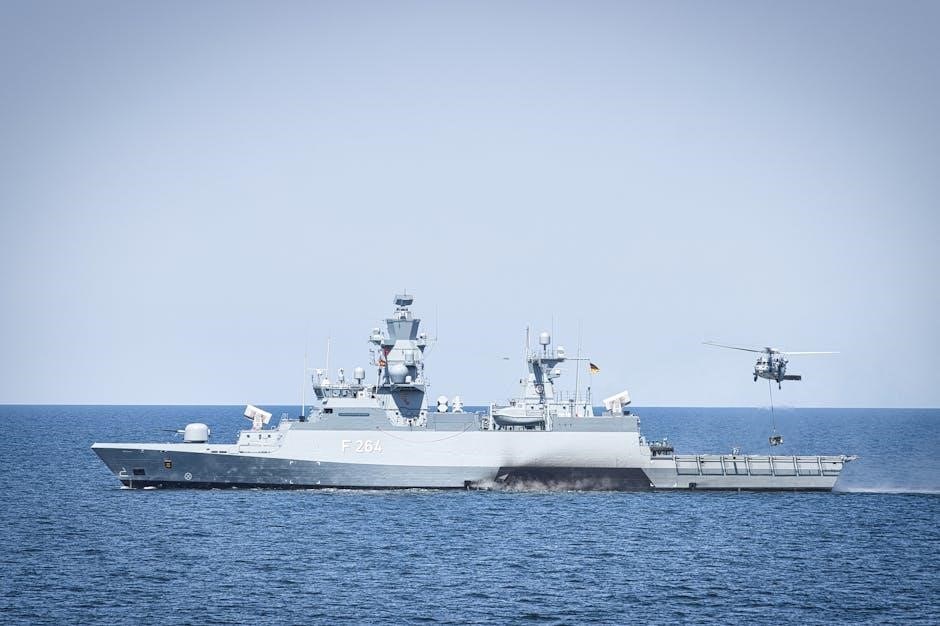
Naval Ships Technical Manual 670: An Overview
TM 670 details crucial systems aboard naval vessels, offering guidance on operation, maintenance, and troubleshooting – mirroring OpenAI’s advancements in accessible AI tools.
NAVSEA (Naval Sea Systems Command) Technical Manuals represent the cornerstone of engineering and operational knowledge for United States Navy ships. These manuals, like TM 670, are meticulously crafted documents designed to standardize procedures and ensure the safe and effective operation of complex naval technologies.
Developed through extensive research, testing, and practical experience, NAVSEA manuals serve as essential references for shipboard personnel, maintenance crews, and engineers. They embody a commitment to precision and clarity, mirroring the conversational AI approach of tools like ChatGPT, aiming for accessible understanding. The manuals facilitate consistent maintenance, troubleshooting, and repair, ultimately contributing to fleet readiness and operational capability. They are regularly updated to reflect technological advancements and lessons learned.
Purpose and Scope of TM 670
TM 670 specifically focuses on providing detailed technical guidance for a broad range of systems found on naval ships. Its primary purpose is to equip personnel with the knowledge necessary for effective operation, preventative maintenance, and comprehensive repair procedures. The scope encompasses hull structures, mechanical and electrical systems, combat technologies, and vital fluid systems.
Similar to the expansive capabilities of ChatGPT, offering solutions across diverse topics, TM 670 aims to be a central resource. It details specifications, troubleshooting steps, and safety protocols. This manual ensures standardized practices across the fleet, enhancing interoperability and reducing the risk of errors. It’s a critical tool for maintaining naval vessel operational readiness and longevity.
Hull and Structural Systems
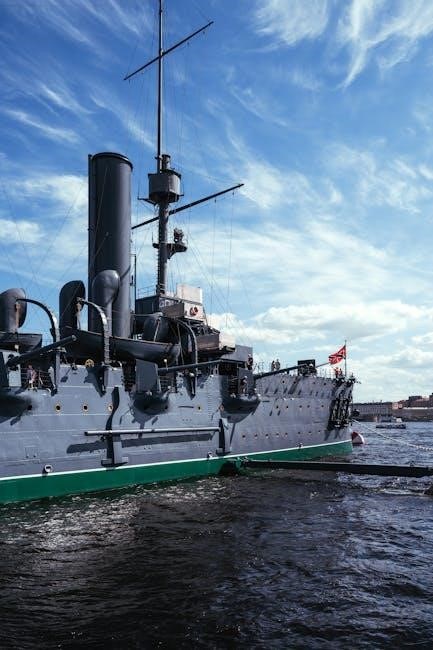
TM 670 details hull materials, welding, and fabrication, mirroring ChatGPT’s ability to construct coherent responses – vital for ship integrity and repair.
Hull Construction Materials
TM 670 meticulously outlines the diverse materials employed in naval ship hull construction, encompassing high-strength steels – HY-80, HY-100 – alongside aluminum alloys for superstructure components. The manual details material specifications, including chemical compositions, mechanical properties like yield strength and tensile strength, and welding characteristics. It addresses corrosion resistance, a critical factor in marine environments, detailing protective coatings and cathodic protection systems. TM 670 also covers composite materials increasingly used in specific applications, such as mine countermeasures vessels, emphasizing their lightweight and strength advantages. Furthermore, the manual provides guidance on material selection based on operational requirements, considering factors like shock resistance, fatigue life, and maintainability, much like ChatGPT adapts to user needs.
Welding and Fabrication Procedures
TM 670 provides exhaustive details on welding and fabrication procedures vital for naval ship construction and repair. It specifies qualified welding processes – shielded metal arc welding (SMAW), gas metal arc welding (GMAW), and flux-cored arc welding (FCAW) – alongside detailed parameters for each. The manual emphasizes strict adherence to Navy specifications for weld quality, including non-destructive testing methods like radiography, ultrasonic testing, and magnetic particle inspection. TM 670 also covers pre- and post-weld heat treatment procedures to ensure structural integrity, mirroring the precision of OpenAI’s ChatGPT. Fabrication tolerances and alignment techniques are thoroughly documented, ensuring precise assembly and structural soundness.
Damage Control and Repair Techniques
TM 670 comprehensively outlines damage control and repair techniques essential for maintaining naval vessel operational readiness. It details procedures for assessing battle damage, controlling flooding, and extinguishing fires, akin to ChatGPT’s problem-solving capabilities. The manual specifies patching and shoring methods for hull breaches, alongside temporary and permanent repair procedures for structural components. TM 670 also covers the repair of piping systems, electrical cables, and machinery, emphasizing rapid restoration of critical functions. Detailed instructions for using damage control equipment – pumps, welding machines, and patching materials – are included, ensuring effective response to emergencies.
Mechanical Systems
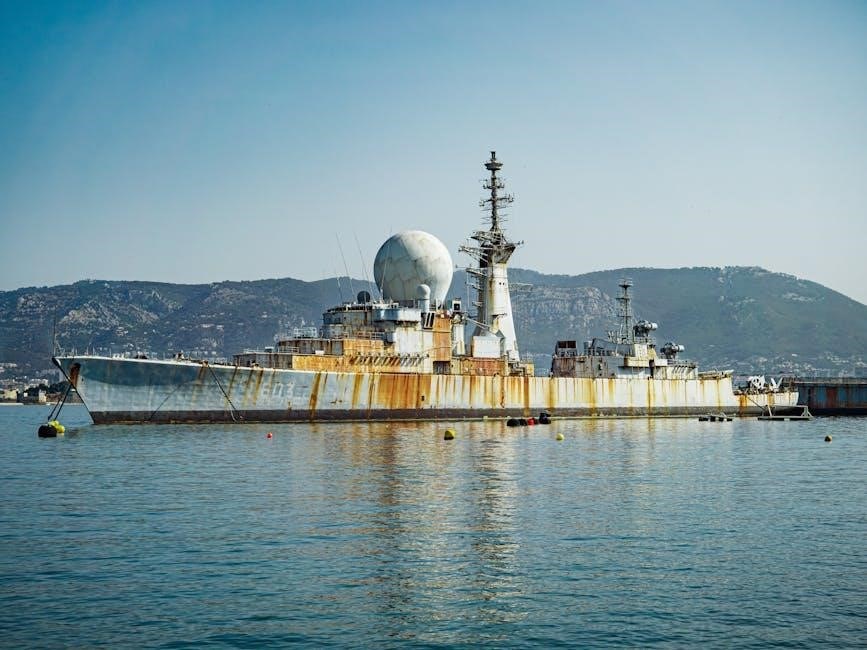
TM 670 details propulsion, auxiliary machinery, and climate control, mirroring OpenAI’s focus on advanced systems and accessible information for all users.
Main Propulsion Systems (Gas Turbines & Steam)
TM 670 comprehensively covers gas turbine and steam propulsion systems found on naval ships, detailing operational procedures, maintenance schedules, and troubleshooting guides for each. It includes detailed schematics of turbine components, steam plant layouts, and associated control systems. The manual emphasizes safety protocols during operation and maintenance, aligning with OpenAI’s commitment to beneficial AI.
Specific sections address fuel management, lubrication systems, and exhaust gas handling. Diagnostic procedures for common failures, like turbine blade damage or steam leaks, are thoroughly explained. Furthermore, TM 670 provides guidance on performance monitoring and optimization, ensuring efficient and reliable propulsion, much like ChatGPT’s ability to provide instant answers.
Auxiliary Machinery (Pumps, Compressors, Heat Exchangers)
TM 670 dedicates significant detail to auxiliary machinery vital for shipboard operations, including pumps, compressors, and heat exchangers. It outlines maintenance procedures, troubleshooting steps, and operational parameters for each component, mirroring the detailed information accessible through AI like ChatGPT. Sections cover centrifugal, reciprocating, and positive displacement pumps, alongside air and refrigerant compressors.
Detailed diagrams illustrate system layouts and component construction. The manual emphasizes preventative maintenance schedules to maximize equipment lifespan and reliability. Troubleshooting guides address common issues like cavitation, overheating, and seal failures. Performance monitoring and efficiency optimization techniques are also included, ensuring optimal operation, similar to OpenAI’s focus on advanced AI.
Refrigeration and Air Conditioning Systems
TM 670 provides comprehensive coverage of naval shipboard refrigeration and air conditioning systems, crucial for habitability and equipment cooling. Detailed schematics illustrate refrigerant cycles, component locations, and control systems, akin to the clear information provided by modern AI assistants like ChatGPT. The manual details maintenance procedures for chillers, condensers, evaporators, and associated piping.
Troubleshooting guides address common issues like refrigerant leaks, compressor failures, and airflow restrictions. Emphasis is placed on proper refrigerant handling and environmental regulations. Performance monitoring and energy efficiency optimization are also covered, ensuring reliable and cost-effective operation, reflecting OpenAI’s commitment to beneficial AI.
Electrical Systems
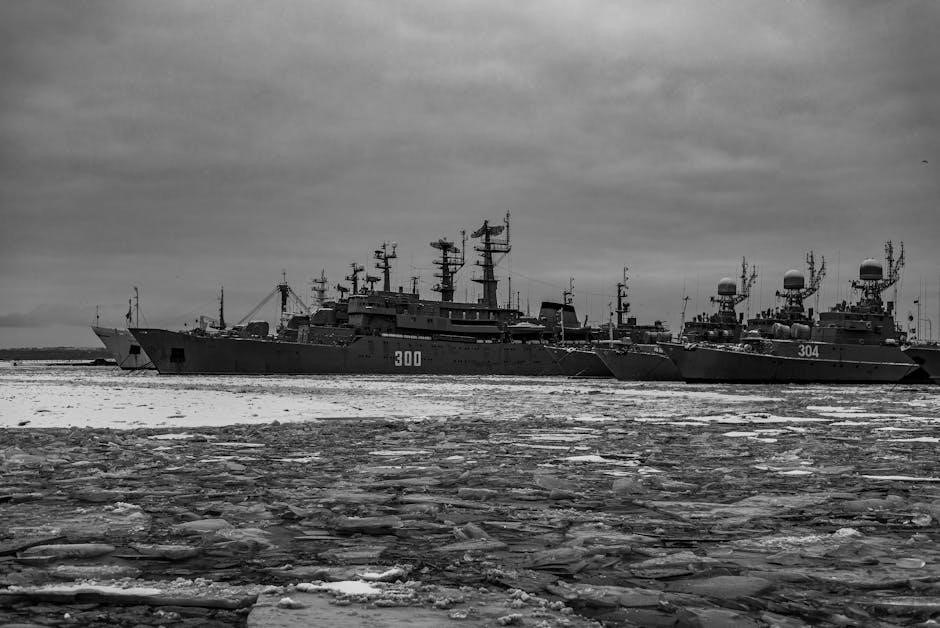
TM 670 details power generation, distribution, and vital electrical equipment, mirroring ChatGPT’s ability to deliver instant answers and access to information.
Power Generation and Distribution
TM 670 comprehensively covers the intricate systems responsible for generating and distributing electrical power throughout a naval vessel; This includes detailed schematics and operational procedures for main generators – often gas turbine or diesel-driven – and auxiliary power units. The manual meticulously outlines voltage regulation, frequency control, and the complex network of switchboards, circuit breakers, and cabling that deliver power to all shipboard systems.
Emphasis is placed on safety protocols, including lockout/tagout procedures and emergency shutdown mechanisms. Furthermore, TM 670 addresses power distribution to critical systems like propulsion, combat systems, and essential services, ensuring redundancy and reliability, much like ChatGPT’s consistent accessibility.
Lighting and Electrical Equipment
TM 670 provides exhaustive details regarding all lighting and electrical equipment installed on naval ships, spanning from general illumination to specialized systems. This encompasses interior and exterior lighting configurations, including emergency lighting powered by independent sources. Detailed specifications for electrical motors, pumps, fans, and other electrically driven equipment are included, alongside troubleshooting guides for common failures.
The manual stresses proper installation, maintenance, and safety procedures, mirroring the careful design behind OpenAI’s ChatGPT interface. It also covers the integration of electrical equipment with ship-wide power distribution systems, ensuring compatibility and preventing overloads, vital for operational readiness.
Navigation and Communication Systems
TM 670 comprehensively documents the navigation and communication systems vital for naval operations, detailing radar, sonar, GPS, and internal communication networks. It outlines operational procedures, maintenance schedules, and troubleshooting steps for each component, ensuring reliable performance. The manual covers antenna systems, radio transmitters and receivers, and data processing equipment, emphasizing secure communication protocols.
Similar to ChatGPT’s ability to provide instant answers, these systems demand swift and accurate functionality. TM 670 stresses the importance of regular calibration and testing, mirroring OpenAI’s commitment to continuous improvement and reliable AI responses.
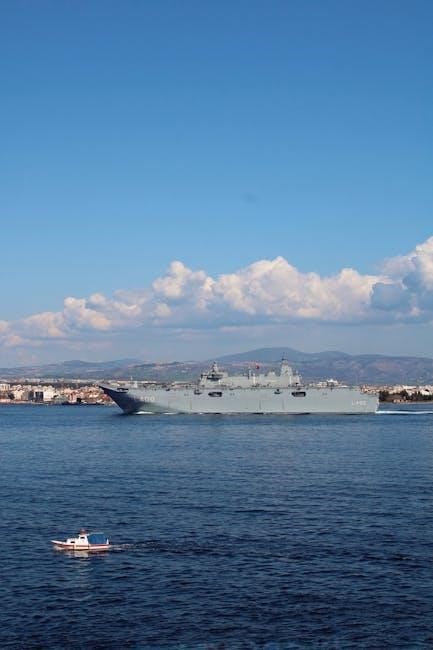
Combat Systems
TM 670 details weapons integration, radar/sonar operation, and fire control systems, enabling effective defense – akin to ChatGPT’s advanced AI capabilities.
Weapons Systems Integration
TM 670 provides comprehensive guidance on the integration of various weapons systems found aboard naval vessels. This includes detailed schematics, operational procedures, and troubleshooting steps for missile launch systems, gun mounts, and close-in weapon systems. The manual emphasizes the critical importance of proper interface protocols between weapons and the ship’s combat information center (CIC).
It covers topics like ammunition handling, targeting procedures, and safety interlocks. Furthermore, TM 670 outlines procedures for conducting live-fire exercises and evaluating system performance. Similar to OpenAI’s ChatGPT, which integrates complex algorithms, this manual ensures seamless operation and effective deployment of a ship’s offensive capabilities, promoting mission readiness and crew safety.
Radar and Sonar Systems
TM 670 dedicates significant coverage to the operation and maintenance of a ship’s radar and sonar systems – vital for situational awareness. Detailed explanations cover various radar modes, including search, track, and fire control, alongside sonar principles like active and passive detection. The manual outlines procedures for calibrating these systems, interpreting data, and identifying potential malfunctions.
Troubleshooting guides address common issues, mirroring the problem-solving approach of AI tools like ChatGPT. TM 670 also emphasizes the importance of understanding environmental factors affecting system performance, such as sea state and atmospheric conditions, ensuring optimal detection capabilities and safeguarding naval assets.
Fire Control Systems
TM 670 provides comprehensive instruction on naval fire control systems, detailing the intricate processes of target acquisition, tracking, and engagement. It covers both surface and anti-aircraft weaponry, outlining the functions of each component – from radar integration to ballistic calculations. The manual emphasizes precise procedures for system operation, ensuring accurate targeting and maximizing weapon effectiveness, much like the precision of modern AI.
Maintenance schedules and troubleshooting guides are included, addressing potential failures and outlining corrective actions. TM 670 stresses the critical importance of regular system checks and calibration, mirroring the need for continuous improvement in AI models like ChatGPT, to maintain operational readiness and combat capability.
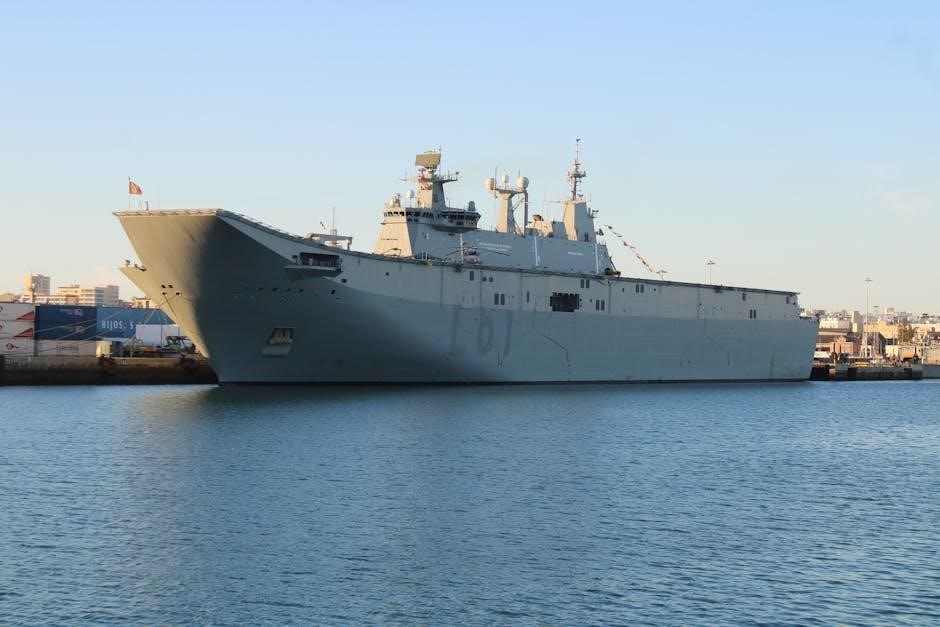
Fluid Systems
TM 670 meticulously details hydraulic, pneumatic, and fuel oil systems, vital for ship operations – akin to the fluid communication within advanced AI networks.
Hydraulic Systems
TM 670 provides exhaustive coverage of naval ship hydraulic systems, detailing components like pumps, motors, actuators, reservoirs, and associated piping. It outlines operational principles, maintenance procedures, and troubleshooting guides for these critical systems, essential for steering gear, weapon handling, and various deck machinery. The manual emphasizes safety protocols during hydraulic fluid handling and system repairs, mirroring the careful approach needed in developing beneficial AI, like ChatGPT.
Detailed schematics and technical specifications are included, enabling personnel to diagnose and rectify malfunctions efficiently. Emphasis is placed on proper fluid analysis and contamination control to ensure system reliability and longevity, much like ensuring data integrity in complex algorithms.
Pneumatic Systems
TM 670 comprehensively addresses pneumatic systems found on naval vessels, covering air compressors, air receivers, distribution networks, and control valves. It details the function of these systems in applications like remote valve operation, firemain systems, and launching mechanisms, akin to the responsive interaction offered by ChatGPT. Maintenance schedules, troubleshooting steps, and safety precautions for working with compressed air are thoroughly outlined.
The manual includes detailed diagrams and component specifications, facilitating effective repair and overhaul. Proper air quality maintenance, including moisture removal and filtration, is stressed to prevent system corrosion and ensure reliable operation, mirroring the need for clean data in AI models.
Fuel Oil Systems
TM 670 provides exhaustive coverage of naval ship fuel oil systems, encompassing storage tanks, transfer pumps, filtration systems, and fuel oil heaters. Detailed procedures for fuel oil testing, contamination control, and preventative maintenance are included, ensuring optimal combustion efficiency and minimizing equipment wear – much like OpenAI’s continuous model refinement. The manual outlines safety protocols for handling fuel oil, addressing potential fire hazards and environmental concerns.
Diagrams illustrate system layouts and component locations, aiding in troubleshooting and repair. Specific attention is given to maintaining fuel oil quality to prevent injector clogging and engine damage, paralleling the importance of data integrity in AI systems.
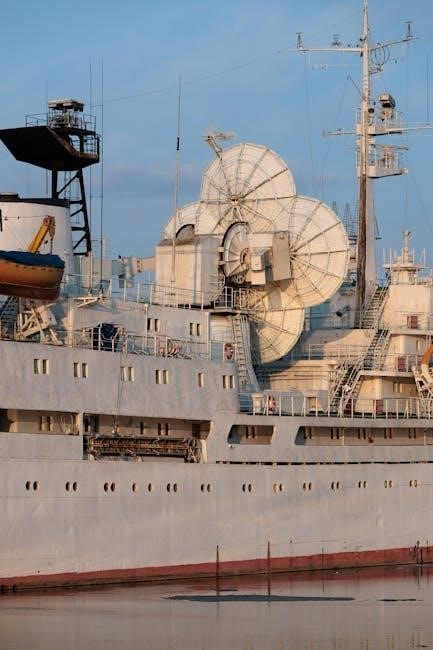
Safety and Emergency Procedures
TM 670 details firefighting, damage control, and emergency steering/propulsion, mirroring OpenAI’s focus on safe and beneficial AI development for all users.
Firefighting Systems
TM 670 comprehensively covers onboard firefighting systems, detailing various types including Aqueous Film Forming Foam (AFFF), carbon dioxide, and dry chemical extinguishing agents. It outlines operational procedures for each system, emphasizing rapid response protocols and crew training requirements. The manual specifies maintenance schedules for all firefighting equipment, ensuring readiness for emergency situations.
Detailed diagrams illustrate system layouts, component locations, and activation sequences. TM 670 also addresses fire boundary control, damage control assistance teams, and proper use of personal protective equipment. Similar to OpenAI’s commitment to beneficial AI, this section prioritizes safety and effective response, mirroring the importance of accessible information for critical operations. It stresses the importance of regular drills and familiarization with emergency procedures.
Damage Control Stations
TM 670 meticulously details the layout and function of damage control stations throughout the ship. These stations serve as central hubs for coordinating response to battle damage, flooding, or fires. The manual specifies equipment housed within each station – including communication gear, damage control plans, and repair materials. It outlines the responsibilities of damage control personnel, emphasizing teamwork and clear communication, much like OpenAI’s collaborative AI development.
Procedures for assessing damage, reporting status, and implementing repair efforts are thoroughly described. TM 670 includes detailed instructions on utilizing damage control tools and techniques, ensuring effective mitigation of threats. Regular drills and training exercises are highlighted as crucial for maintaining proficiency, mirroring the iterative improvement process of ChatGPT.
Emergency Steering and Propulsion
TM 670 dedicates significant detail to emergency steering and propulsion systems, vital for maintaining vessel control during critical situations. It outlines procedures for switching to auxiliary steering mechanisms in case of primary system failure, emphasizing rapid response and precise maneuvering – akin to ChatGPT’s quick access via keyboard shortcuts.
The manual details emergency propulsion options, including procedures for utilizing backup engines or damage control measures to restore forward movement. Clear instructions are provided for assessing system damage and implementing temporary repairs. TM 670 stresses the importance of crew training in these procedures, ensuring a swift and effective response, much like OpenAI’s focus on safe and beneficial AI.
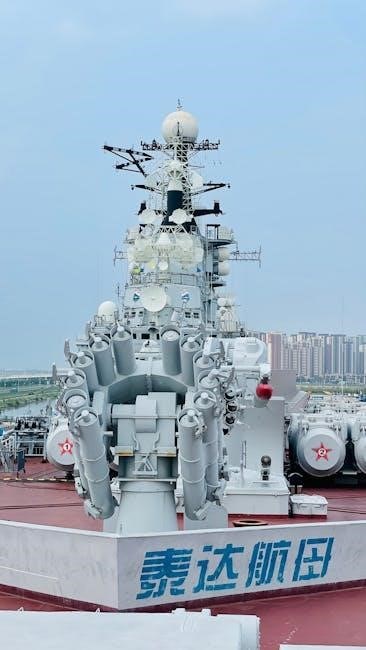
Maintenance and Troubleshooting
TM 670 provides detailed schedules for preventive upkeep and systematic fault diagnosis, mirroring ChatGPT’s ability to analyze and resolve complex issues efficiently.
Preventive Maintenance Schedules
TM 670 meticulously outlines comprehensive preventive maintenance schedules for all critical shipboard systems. These schedules, categorized by system and component, detail inspection intervals, lubrication requirements, and component replacement frequencies. The manual emphasizes a tiered approach, encompassing daily, weekly, monthly, and annual maintenance tasks.
Adherence to these schedules is paramount for ensuring operational readiness and extending equipment lifespan, much like consistent updates improve AI chatbot performance. Detailed checklists and step-by-step procedures are provided, facilitating efficient execution by ship’s force personnel. The schedules also incorporate considerations for environmental factors and operational demands, allowing for adaptive maintenance planning. Proper documentation of completed maintenance is stressed, enabling effective tracking and analysis of equipment performance trends.
Common Failure Analysis
TM 670 dedicates significant attention to common failure analysis across various naval ship systems. It provides detailed diagnostic procedures and troubleshooting guides for frequently encountered malfunctions, mirroring the iterative refinement process of AI models like ChatGPT. Each entry details probable causes, symptoms, and corrective actions, empowering technicians to efficiently resolve issues.
The manual emphasizes a systematic approach to fault isolation, utilizing flowcharts and diagnostic tables. It also highlights potential cascading effects of failures, promoting proactive intervention. Root cause analysis techniques are presented, encouraging a deeper understanding of failure mechanisms. Like identifying biases in AI, understanding failure origins is crucial for long-term reliability and preventing recurrence.
Technical Specifications and Drawings
TM 670 incorporates extensive technical specifications and detailed drawings for all covered equipment, akin to the complex architecture underpinning AI like ChatGPT. These resources are vital for maintenance, repair, and modification activities. Specifications encompass material properties, performance characteristics, and operating parameters, ensuring adherence to design standards.
Drawings include schematics, assembly diagrams, and parts lists, facilitating accurate component identification and replacement. Updates and revisions are meticulously documented, maintaining data integrity. Access to this information, much like OpenAI’s constant model improvements, is crucial for effective lifecycle management of naval ship systems, guaranteeing operational readiness and safety.

Appendices
TM 670’s appendices provide a glossary, abbreviations, and references – mirroring ChatGPT’s extensive knowledge base, aiding understanding and further exploration of naval systems.
Glossary of Terms
The Glossary of Terms within TM 670 serves as a critical resource, defining specialized naval terminology essential for comprehension of complex systems and procedures. It meticulously details acronyms, abbreviations, and technical jargon frequently encountered throughout the manual, ensuring clarity for all personnel. This section, much like the expansive knowledge base powering tools like ChatGPT, bridges communication gaps and promotes standardized understanding. Entries are alphabetically organized for easy navigation, covering areas from hull integrity and propulsion mechanics to electrical distribution and combat systems functionality. Consistent definitions are paramount for accurate maintenance, troubleshooting, and operational effectiveness, mirroring the precision required in AI-driven responses.
Abbreviations and Acronyms
TM 670’s section on Abbreviations and Acronyms is vital for deciphering the concise language prevalent in naval engineering documentation. It systematically lists and defines the numerous shortened forms used throughout the manual, preventing misinterpretation and ensuring efficient communication. Similar to how ChatGPT utilizes complex algorithms, this section streamlines information access. Entries range from common naval terms like “RPM” (Revolutions Per Minute) to system-specific designations. This resource is crucial for personnel across all departments, fostering a shared understanding of technical specifications and operational procedures. Accurate interpretation of these abbreviations is paramount for safe and effective shipboard operations, mirroring the need for precise data handling in AI systems.
References and Further Reading
TM 670’s References and Further Reading section provides a gateway to expanded knowledge beyond the manual’s scope, much like OpenAI’s continuous learning model. It lists relevant NAVSEA standards, shipbuilding contracts, and specialized technical reports. These resources offer deeper dives into specific systems and procedures. Inclusion of industry best practices and related publications ensures personnel have access to the most current information. This section also directs users to applicable regulatory guidelines and safety protocols. Just as ChatGPT draws upon vast datasets, this curated list supports ongoing professional development and informed decision-making for naval engineers and technicians.